
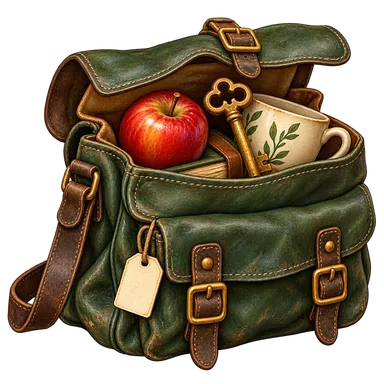
A repeated action or a community tradition can be a costumbre.
The idea
The noun is feminine: la costumbre, una costumbre; the plural is las costumbres. Follow tener la costumbre de with an infinitive.
Examples
- Tengo la costumbre de caminar después de cenar.I have the habit of walking after dinner.
- Esa costumbre cambió con los años.That habit changed over the years.
- En mi familia es costumbre comer juntos los domingos.In my family it is customary to eat together on Sundays.
- Las costumbres de cada barrio son diferentes.The customs of each neighbourhood are different.
- Perdí la costumbre de escribir a mano.I lost the habit of writing by hand.
- Por costumbre, dejamos las llaves junto a la puerta.Out of habit, we leave the keys by the door.
Read-aloud uses a synthetic Spanish voice available on your device. Voice quality and availability vary; it does not assess your pronunciation.
No Spanish device voice is available. You can still read the text.
Watch out
Do not omit de before the infinitive: say tener la costumbre de leer.
Try it yourself
Choose the article: ___ costumbre de leer antes de dormir ayuda a descansar. (La / El)
Show answer or example answer
La
La agrees with the singular feminine noun.
Choose the plural: El museo explica las ___ locales. (costumbres / costumbre)
Show answer or example answer
costumbres
Costumbres matches the plural article and refers to local customs.
Choose the word: Tiene la ___ de llegar temprano. (costumbre / riesgo)
Show answer or example answer
costumbre
Costumbre names the repeated action of arriving early.
Practice round
Answer questions, then rebuild Spanish sentences where available. We keep your score.
Choose the article: ___ costumbre de leer antes de dormir ayuda a descansar. (La / El)
Choose the plural: El museo explica las ___ locales. (costumbres / costumbre)
Choose the word: Tiene la ___ de llegar temprano. (costumbre / riesgo)
Tap the words in the right order.
Tap the words in the right order.
Tap the words in the right order.
Keep your progress
Sign up for free to save your practice results in your account.
Sign up to saveI already have an accountUse it today
Write an original sentence about a habit of your own.