
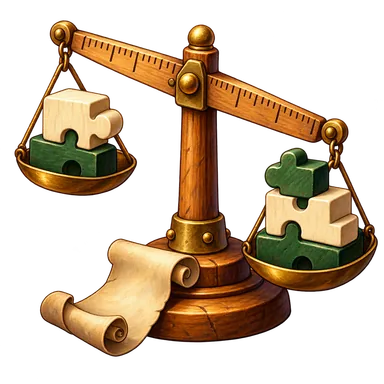
Cada refers to members of a group individually or to repeated occasions.
The idea
Cada has the same form for masculine and feminine nouns. It normally precedes a singular noun; a subject built with it takes a singular verb.
Examples
- Cada estudiante tiene una llave.Each student has a key.
- Cada mañana preparo café.Every morning I make coffee.
- Cada mesa necesita una lámpara.Each table needs a lamp.
- Cada vecino trae un plato.Each neighbor brings a dish.
- Cada puerta tiene un número.Each door has a number.
- Cada semana visitamos el mercado.Every week we visit the market.
Read-aloud uses a synthetic Spanish voice available on your device. Voice quality and availability vary; it does not assess your pronunciation.
No Spanish device voice is available. You can still read the text.
Watch out
Do not add a plural ending to cada or put the following noun in the plural in this construction.
Try it yourself
Choose the correct form. ___ persona recibe un mapa. (Cada / Cadas)
Show answer or example answer
Cada
Cada stays unchanged before persona.
Choose the correct form. Cada ___ tiene una entrada. (visitante / visitantes)
Show answer or example answer
visitante
Visitante is singular after cada.
Choose the correct form. Cada niña ___ una canción. (canta / cantan)
Show answer or example answer
canta
Canta agrees with the singular subject cada niña.
Practice round
Answer questions, then rebuild Spanish sentences where available. We keep your score.
Choose the correct form. ___ persona recibe un mapa. (Cada / Cadas)
Choose the correct form. Cada ___ tiene una entrada. (visitante / visitantes)
Choose the correct form. Cada niña ___ una canción. (canta / cantan)
Tap the words in the right order.
Tap the words in the right order.
Tap the words in the right order.
Keep your progress
Sign up for free to save your practice results in your account.
Sign up to saveI already have an accountUse it today
Describe a routine and what each person in a group does.